
You have booked the flights, packed your bags, checked the weather, and started thinking about what you will order at the airport. Then you notice something worrying about your passport. Maybe the cover is badly bent, one of the pages is torn, or it has somehow ended up soaked after sitting next to a leaking water bottle.
Suddenly, a fairly ordinary travel day becomes much more stressful.
A damaged passport can potentially stop you from traveling, depending on the type and severity of the damage. Because your passport is an official identification and travel document, airlines and border authorities need to be able to verify that it is genuine, readable, and in acceptable condition.
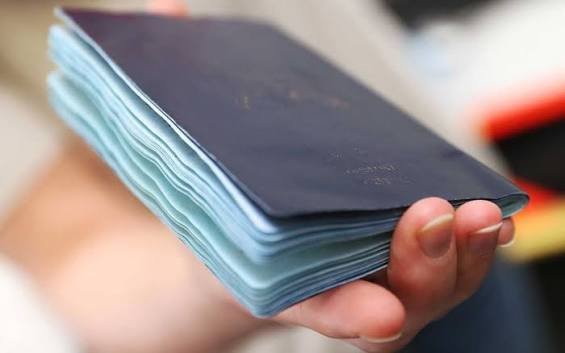
Here is what you should know before heading to the airport with a passport that has seen better days.
What Counts as a Damaged Passport?
There is a difference between normal wear and significant damage. A passport that has picked up a few scratches on the cover after several years of travel may not necessarily cause problems.
More serious damage can include things such as:
- Torn, missing, or heavily creased pages
- Water or liquid damage
- Significant stains
- A damaged or detached cover
- Unofficial markings or writing on passport pages
- Damage to the photo or personal information page
- Problems with the electronic chip in an e-passport
- Holes, cuts, or other physical alterations
Even accidental damage can matter. Your toddler drawing on a passport page might make for a funny family story eventually, but airport staff may take a rather less relaxed view of it.
Could You Be Refused Boarding?
Potentially, yes. Airlines have responsibilities when it comes to checking passengers’ travel documentation. If staff believe your passport is too badly damaged to be considered valid, they could refuse to allow you to board your flight.
The problem is that there is not always an easy way for a traveler to judge what another authority will consider unacceptable. Something that looks minor to you could interfere with security features or make information harder to verify.
That is why simply hoping nobody notices is not a particularly good travel strategy.
If you discover serious damage before an upcoming international trip, it may be worth investigating a damaged passport replacement from urgentpassport.com rather than taking the risk of arriving at the airport with documentation that may be questioned.
Giving yourself time to sort the problem out can also help you avoid unnecessary panic, rushed travel changes, or extra expenses right before departure.
Border Control Could Also Be a Problem
Getting onto the plane is only part of the journey.
Your passport may also be inspected when you arrive at your destination. Immigration and border officials need to establish your identity and confirm that your travel document is valid.
Damage affecting photographs, identifying details, machine-readable information, security features, or passport pages could make this process more difficult.
In some circumstances, an official may decide that a passport cannot be accepted. That is an especially unpleasant problem to discover after spending several hours on an international flight.
Water Damage Can Be More Serious Than It Looks
Water is one of the easiest ways to accidentally damage a passport.
Perhaps your bag was caught in a downpour. Maybe a drink leaked inside your carry-on. Or perhaps your passport went through the washing machine in a trouser pocket, an impressive achievement that usually produces a moment of pure horror when you discover it.
Even after the passport dries, water can cause pages to wrinkle, ink to run, photographs to distort, or security features to become damaged.
Do not assume that a dry passport is automatically a usable passport. It is worth checking the document carefully once it has dried and dealing with any doubts before your travel date gets too close.
Avoid Trying to Repair It Yourself
When something is torn, the natural instinct is often to reach for tape or glue. With a passport, that can make the situation worse.
A homemade repair could potentially obscure important information or make the document look as though it has been altered. Instead of trying to restore damaged pages yourself, look into the appropriate replacement process.
The same applies if pages are loose or the cover is separating. A passport is not really the place for your DIY bookbinding skills.
Check Your Passport Well Before Traveling
One of the easiest ways to avoid a last-minute passport headache is to inspect it while you are planning your trip.
Take it out of the drawer and physically check it rather than simply remembering that you own one. Look at:
- The expiration date
- Your personal information page
- The photograph
- Every passport page
- The cover and binding
- Any obvious water or physical damage
It is also worth checking the passport requirements for your destination. Some countries require passports to have a certain amount of validity remaining beyond the dates of your trip.
Doing this several weeks or months before departure gives you far more room to deal with any problems.
Protect Your Passport While You Travel
Once you have a passport in good condition, keep it that way.
Use a protective holder if appropriate, and store the passport somewhere dry and secure. Avoid placing open drinks in the same section of your bag, and do not leave the passport somewhere that it can easily become crushed, bent, or torn.
When staying abroad, think carefully about where you store it when you are not carrying it.
A passport may be small, but replacing one unexpectedly can create a surprisingly large amount of disruption.
Don’t Leave It to Chance
Minor cosmetic wear will not necessarily ruin your travel plans, but significant passport damage should not be ignored.
If you are unsure about the condition of your passport, deal with the issue before departure instead of waiting to see what happens at the check-in desk. International travel already comes with enough variables. Whether your passport will be accepted should not be one of them.
A quick check today could save you from a cancelled flight, an expensive change of plans, and a very disappointing journey back home from the airport.